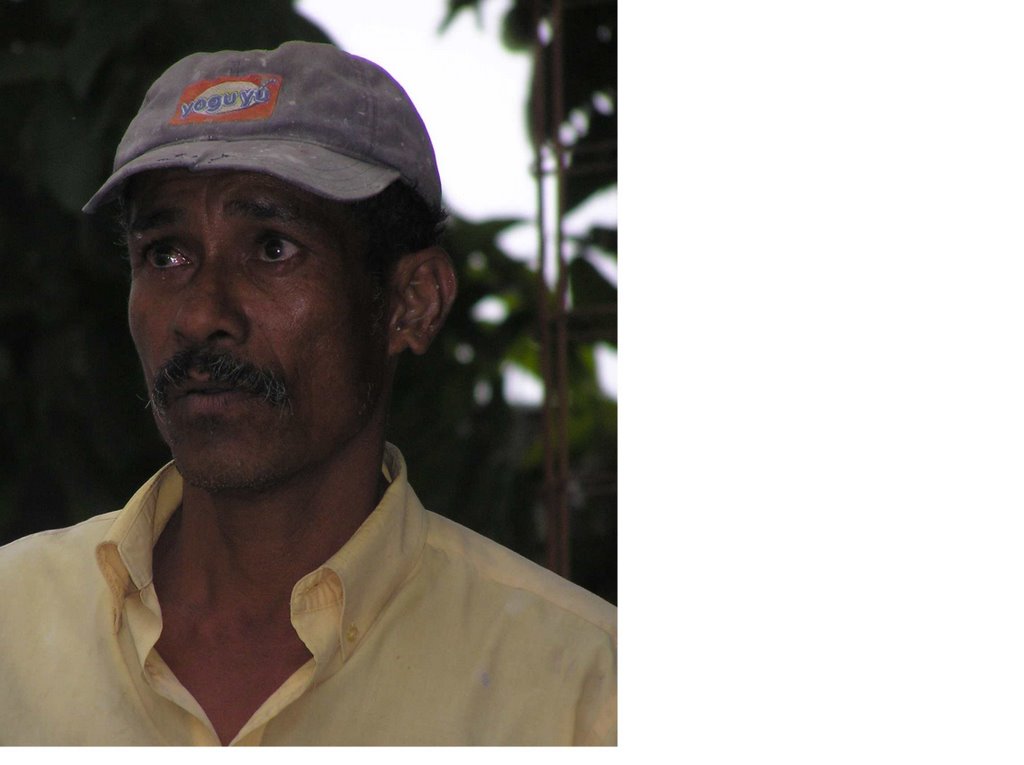
Sunday, October 08, 2006

Carmen´s Article (words from a Global Village Volunteer!)

This is the second part of a two part article that Carmen wrote documenting her experiences with the Habitat for Humanity Global Village program. Unfortunetly I had a bit of trouble adding some of her pics, so the article is not entirely complete! Carmen was my "roomie" my first week in Ecuador, and nursed me back to health when I was pretty ill for a couple days... and then I went to the doctor with her the next day!

Have Hammer, Will Travel…Part 2

Thoughts on the Road with Habitat for Humanity’s Global Village Program

By Carmen Español

*Carmen taking a break

Take 1 Family + 1 part Sweat + 2 parts Love = 1 Habitat Home (and Global Village Community). This is the basic “recipe” of my Habitat experience. It’s hard to put into words as I sit here writing a description of the project. It was truly an incredibly amazing experience that I’ll never forget, and I am sure that my whole team would agree with me. I learned that a house is more than bricks and mortar and a building. It’s a home that represents the community of individuals that create it. I left a big chunk of my heart in a home in Santo
Domingo
, Ecuador
.

(*Carmen and baby Aliso)

I worked alongside the “maestros” Raymundo and Jose and 16 other Habitat volunteers from the US, Ireland, Northern Ireland, England, New Zealand and Puerto Rico, as well as the local affiliate staff of Ecuador. In the short course of our stay, we became a small “family” as we physically worked together, ate, played, and interacted with one another.


(*Pic: James Plastering)


There were many construction lessons to learn on the project – how to mix cement, how to plaster, etc. But many life lessons as well. From the children I learned that language is not necessary or required for having fun or falling in love. No directions necessary for blowing bubbles. We all fell head over heels for the children and easily had fun without knowing a word of Spanish. It was easy with the innocence and sincerity that is a wonderful quality children have. Erica, Marianela, Anita, Natalie, Andrea, Diego, Santiago, Leann, and baby Aliso’s smiles will be forever etched in my memory.


(*Pic: Erin getting water for the cement mix)


So too, will the hard work, companionship, and solidarity I witnessed from my team members – Jad, Lacy, Prissy, Betsy, Mike, Jimmy, Steve, Dave, Erin, Greg, Andrew, Marc, Francisco, Hugo, Ana Lucia, Valeria, and Narcisa be remembered. Many hands make the work light.

(*Pic: Dr. Marianela)

On Day One, I thought, I’m not gonna make it to the end of the week! I was exhausted and spent. Then we got to the hotel, showered, and were off to the welcome reception arranged by the local affiliate staff. The families and staff would all be there to meet us and get to know us. It was great to hear in our introductions, the various reasons people came and how their first day went. I was glad to hear that I wasn’t the only one who felt TIRED and then felt really proud of all our work when Hugo announced that our team had accomplished 3 days scheduled work in 1 day. We all went, WOW! Then the families shared their stories, and it felt like we were a team helping to make a dream come true. We worked together on something tangible and we could see the fruits of our labor and progress each day. The kids shining faces and hugs made all the soreness fade from memory and motivated us.

(*Pic: Greg, Prissy, Lacy & Dave taking a little siesta after lunch)

Each day we had activities planned after our work day ended and so our days were full of hard work and cultural activities. Day One we had the welcome reception and dinner with the families, Day Two a soccer match with the families (we won!) and dinner with them, Day Three a visit to the Tsachiles indigenous reservation, Day Four a visit to an orphanage for boys, and Day Five the dedication and blessing of the mostly-finished house and farewell reception. Our R&R day we had to head back to Quito, and stopped on the way back at Mindo Rainforest for hiking and rafting. Of course, we managed to squeeze in a little dancing and karaoke on a few of the days we weren’t totally exhausted.

The farewell reception with the families was joyous and wonderful, until the end. It was difficult emotionally and wrenching trying to say goodbye to everyone. We had formed attachments to the children. They were crying and clinging to us. After half an hour, the parents had to quite literally pull them off and drag them away. We were all upset, especially the guys.

I would encourage anyone reading this, to consider a volunteer vacation such as this. It is truly a rewarding and wonderful experience. Here are a few words from my team upon arrival home:

(Pic:v*Jose pulls Marianela from Ken to go home)

I wish you all to settle back into normal life with fond memories of our team and our time in Ecuador. Never forget what we did there, and how we did it, with love.” ---Marc from Armagh, Northern Ireland

“You have certainly set the bar high for any teams I will work with in the future. Excellent team spirit, excellent hard work, excellent company and excellent memories. Please keep up your social contributions. As we saw our efforts truly change the lives of a family.” ---Jad from Washington DC

“Thank you all for making last week a very . . .very good week. Even with the rain forest experience (laughing) . . . If any of you meander your way to Chicago, please do give me a call . . . Mi casa es su casa . . .OR. . .as Jad would have said in Spanish . .. ‘My houso is your houso’, subsequently punctuated by "buEEENO!!!!!!" ---Ken from Chicago

For more information about Habitat International, go to:

http://www.habitat.org/gv/


For information on the Ecuador project, go to:

http://www.habitat.org/gv/mytrip/9201-6731


For Part 1 of this article go to page 4 of:

http://www.cpo.washington.edu/DOCMAN/WEB_FTP/DOCMANFTP/2006_Newsletter_September_20060906.pdf

Thursday, October 05, 2006

Carumba! Some random things…

Last summer in Peru I saw these animals kept as domestic pets, and eaten. Cui, (COO-EE) or guinea pig, is also eaten in Ecuador. I have not tried it, although I thought I would.
However, after seeing these guys being roasted, I am having second thoughts!
Here’s a flower that is blooming all over Quito right now. It looks like a type of hibiscus, but I haven’t ever seen hibiscus plants that are full -sized trees like these!


We have entered ¨Winter¨. There are two seasons in this high altitude, equitorial city of Quito: winter and summer. ¨Winter¨ apparently lasts until somewhere between March-May and is characterized by increased rains and cooler-colder weather.

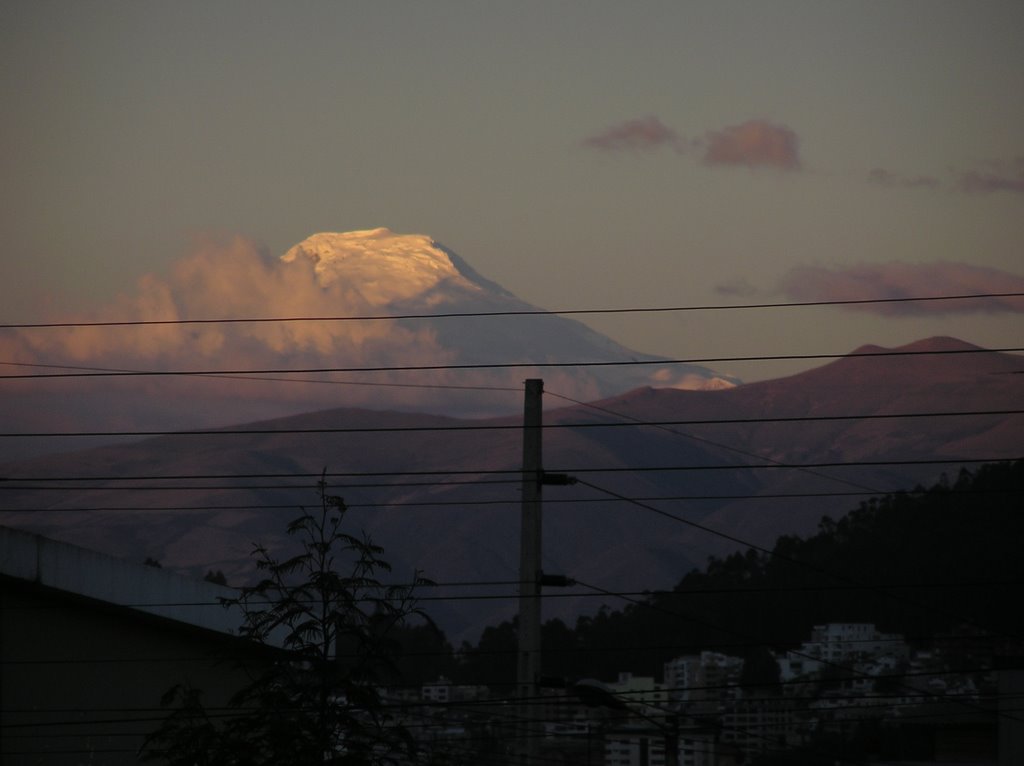
From my neighborhood, three volcanos are visible, depending on the air quality and weather on a given day. Here is COtopaxi, the most famous of the three.


Provinces are named after their volcanos or mountains. I live in Pinchincha, because the primary volcano is the Pinchincha.
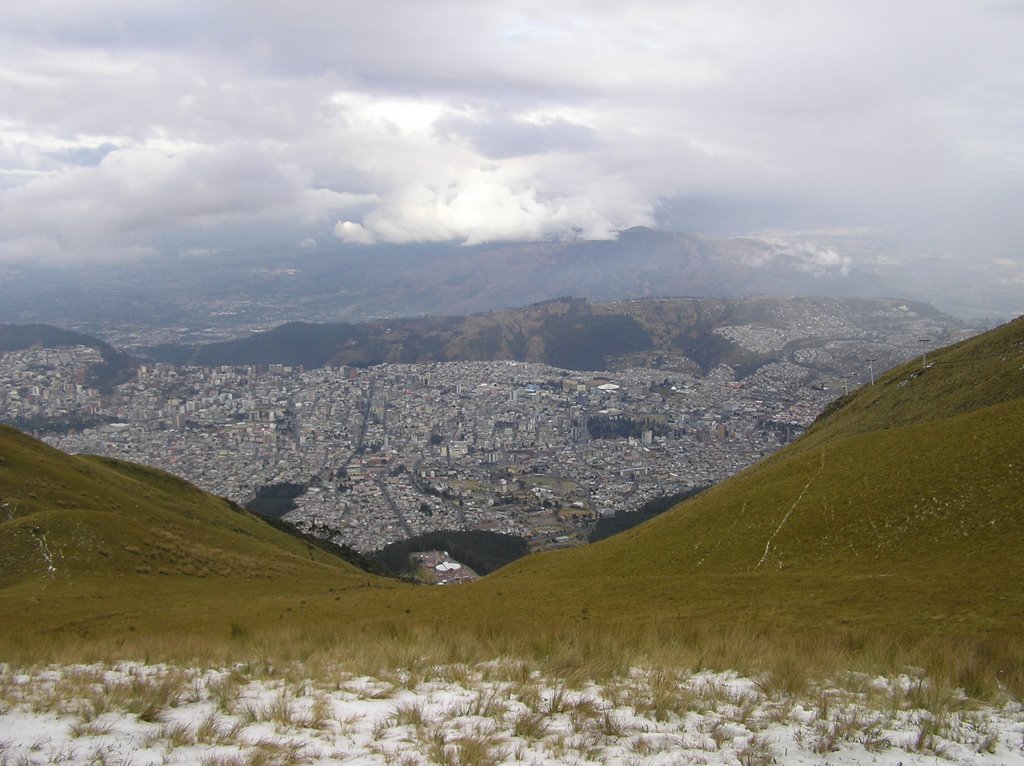
This is a phot taken of Quito from part-way-up the Pinchincha volcano. The was only snow on the mountain... my understanding is that it never snows in the city below. The Andes are the longest mountain chain in the world... aren´t they beautiful!?


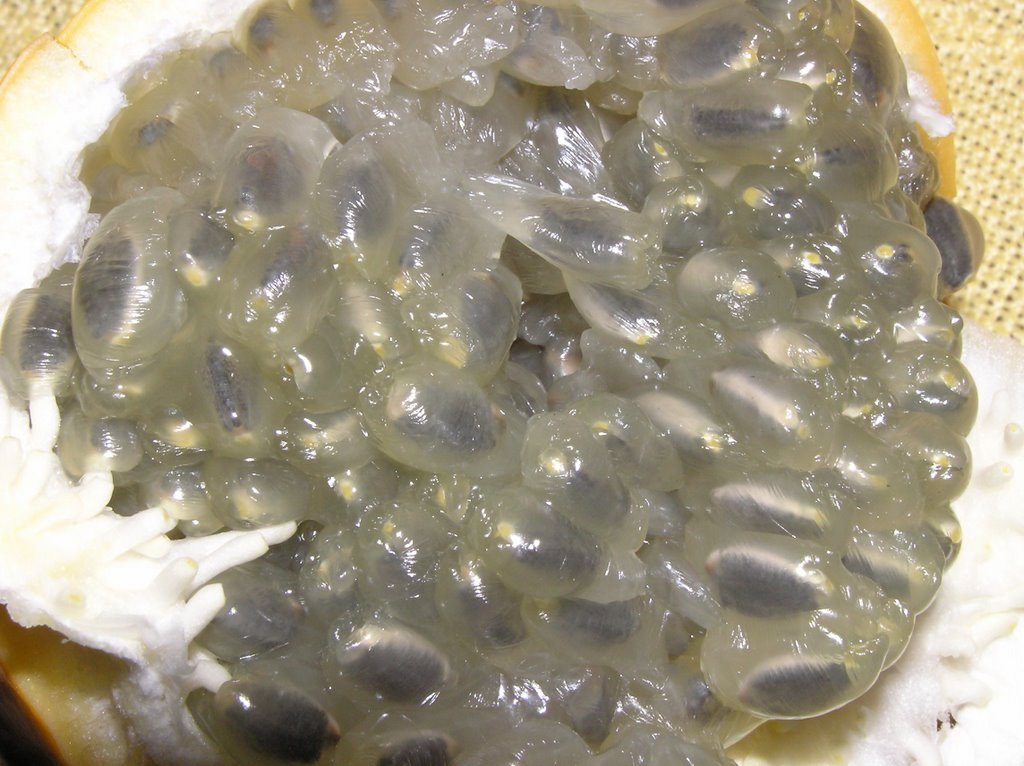
Here is a pic of one of my favorite fruits here. It is mostly fun because it has a brittle, hard “shell” and you open it by cracking it.


The inside is full of greenish jelly filled membranes which each contain a seed (Definitely not for those of you have problems with weird textures! And I know there are several of you out there!). The seeds are kind of crunchy and the jellylike parts are sweet, (but not overly so).

So… pretty much it is an alien-fruit! (at least to me!).


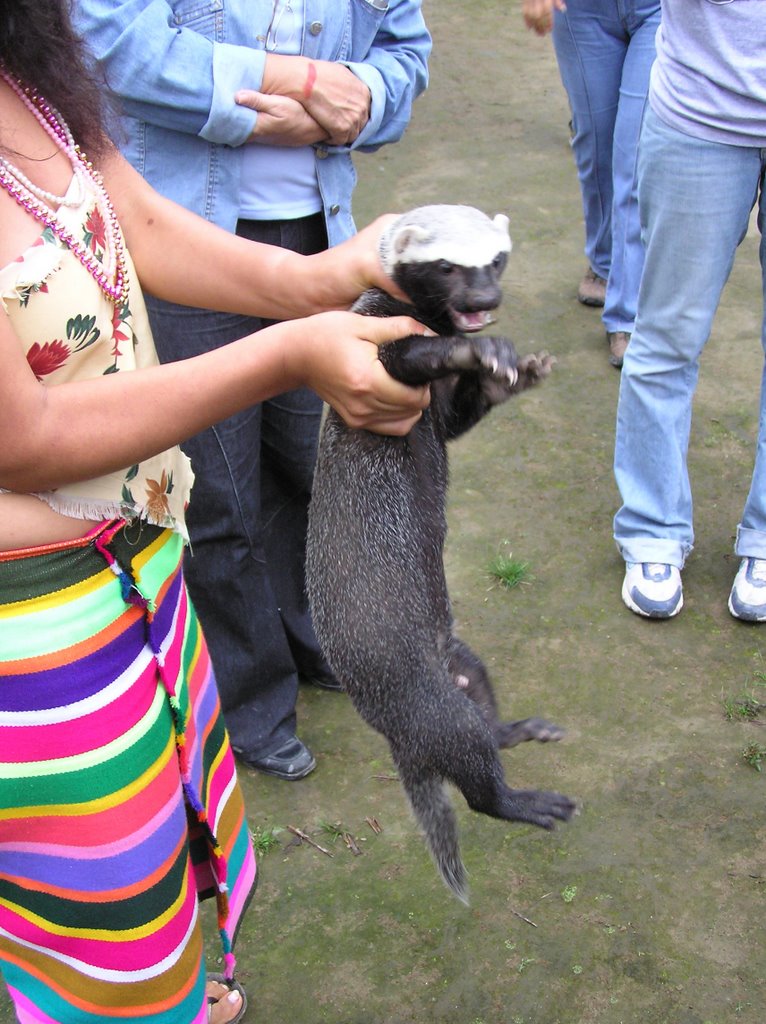
Here’s an animal that was being maintained as a pet by the “Colorados” in Santo Domingo de los Colorados. It was trying to fight with a cat, a dog and its owner family! It actually bit a little boy on the ankle! I thought it looked like a cross between a mongoose and a ferret.

It is a …..? probably some type of amazon ferret? If someone knows please tell me!

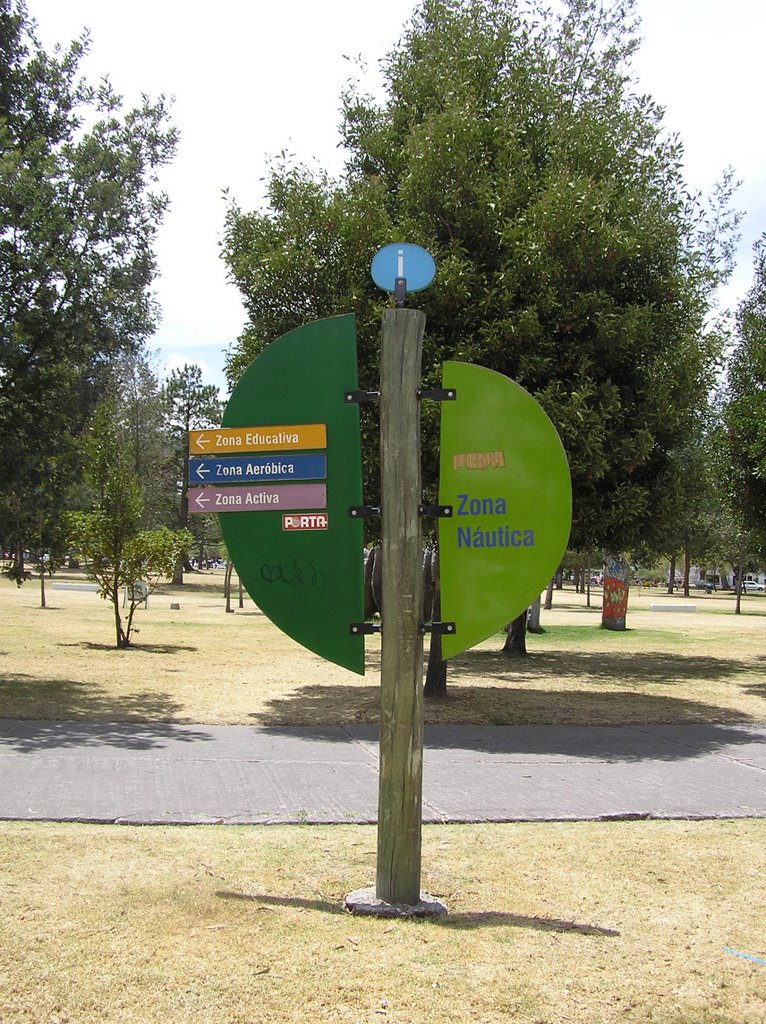
There is a large public park a close walk from my apartment, “Parque Carolina”, which I was pretty excited about. It has three “zones”: the sports zone, the arobic zone, and the aquatic zone. The sports zone has playing fields and courts of all types: tennis, soccer, volleyball, basketball… a short moter-cross bike circuit along with bikes to rent, horses to rent, a skate/bike park. The arobic zone has a whole maze of exercise stations and the aquatic section has a small lake with paddle boats. You can rent a horse, a motorcross bike, or a boat in this park...


The whole park is surrounded by bike trails and walking trails with marked distances. I was happy to find so many runners at Parque Carolina my first weekend here--- I hope to have amazing lung capacity, after running regularly (still working on this part) at 9 thousand+ feet, when I return to the States!

My new favorite park, however, is the ¨Parque Metropolitano.¨ It is on a mini-mountain (so higher than 9 thousand feet) in the middle of the city! I believe I read somewhere that it is larger than Central Park in NYC!! and it does seem to be! I went running there last weekend... and my run turned into a very long exhausting hike... because I was having such a good time exploring the park! Pics to come, the views from the park are awesome (I didn´t bring my camera on my ¨run¨).

Tuesday, October 03, 2006

My Habitat Job

I am working in the “Volunteer Development” office within the National Habitat Office in Quito.

Here’s a photo of my co-workers in the Volunteer Development department: Hugo, Jonathan, and Valeria. Valeria and I have the same birthday!—except she turned 25 and I turned 26;-).

A LOT is changing organizationally in Habitat Ecuador!... I unknowingly picked an ¨era of flux¨ as my time to arrive here! This is both exciting... and will make things more challenging.

The first change is that the national organization is consolidating affiliates, from 7 to 3, in order to achieve greater outcomes in the areas that need it most. Building will be taking place in: Guayaquil, Santo Domingo, and Tosagua. These towns-cities are in the provinces with the greatest need in terms of housing deficits and poverty. Also, Habitat Ecuador must become financially independent of Habitat International (Americus, Georgia, USA) within the next few years and they are pursuing this goal by concentrating on the areas where houses are most needed and are most easily erected in order to both conserve resources and accomplish the greatest impact.

The next change is a shift in leadership and personnel! Already, I have been to the farewell party for the current director. Hugo, former Volunteer Mobilization Church Relations Coordinator, will be our new Director... which means the Volunteer Mobilization Department is losing a person. On top of that, Valeria is finishing school and cannot travel with international brigades until February! So our office of 4 (including me), is now staffed at 2.5, and I will be traveling with brigades from the end of November until March.


This is the Habitat Office building (you can see the Habitat sign on the second floor window), and the view of the mountains from the street in front of the office.


In addition to:

a. General support within the National Office and Volunteer Development office
(I have already helped out with several translations, the annual report and project proposals), and

b. Traveling with the brigades almost non-stop beginning in November,

my job is to strengthen the volunteer program by:

(not necessarily in order of importance)

1. Define and further develop an individual volunteer program:

  • Expand the breadth and depth of volunteer opportunities for individuals
  • Create mechanisms for general and profesional volunteerism
  • Coordinate with all Ecuador Habitat departments to gain participation from all areas
  • Promote the new and expanded opportunities through national and international means

2. Improve the brigades’-general volunteers´ orientation process:

  • Create materials and method to convey the global, national and local housing and living conditions context in which the volunteers are working.
  • Educate volunteers as to the country-specific economics, politics and cultural factors which contribute to, or aggrivate, the country´s housing problems.
3. Build the international volunteer brigades program:

  • Increasing the number of brigades
  • Broadening the geographical representation of the brigades to have a greater proportion of the world represented (volunteers are currently primarily from the United States).
  • Creating an “alternative” brigade volunteer track for those volunteers who either feel they are not capable of building, or for times during the year that construction work may be saturated.

4. Improve volunteers´ follow-up process:

  • Create mechanism for volunteers to share their experiences in their home countries to be shared with their families, clubs and community orgs, friends, coworkers and classmates.
  • Improve follow-up communications with volunteers by creating news bulletins and other materials regarding Habitat Ecuador, and Habitat International.

Thursday, September 28, 2006

Living Situation In Quito

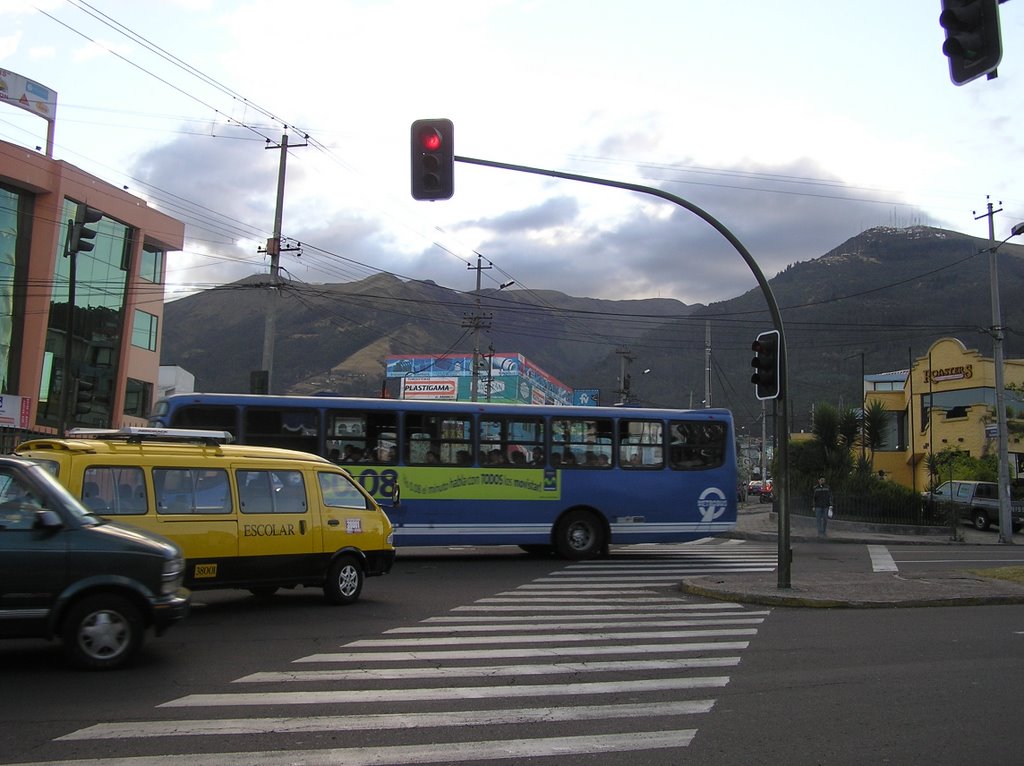
I live a short walk from the Habitat for Humanity Ecuador office, in an area which is considered the more modern part of Quito.


Quito
is a very looong city, and I am in the northern region. Quito is in a valley (or actually, many valleys, but one primary one). As Quito grows is expands along the basins of the valleys


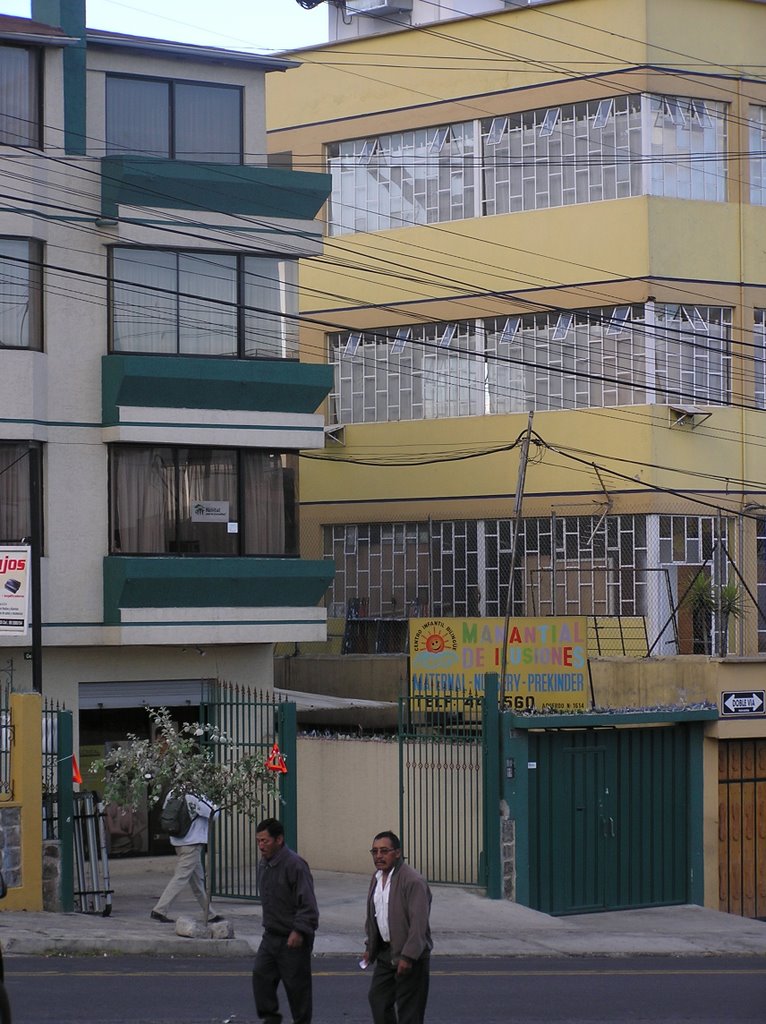
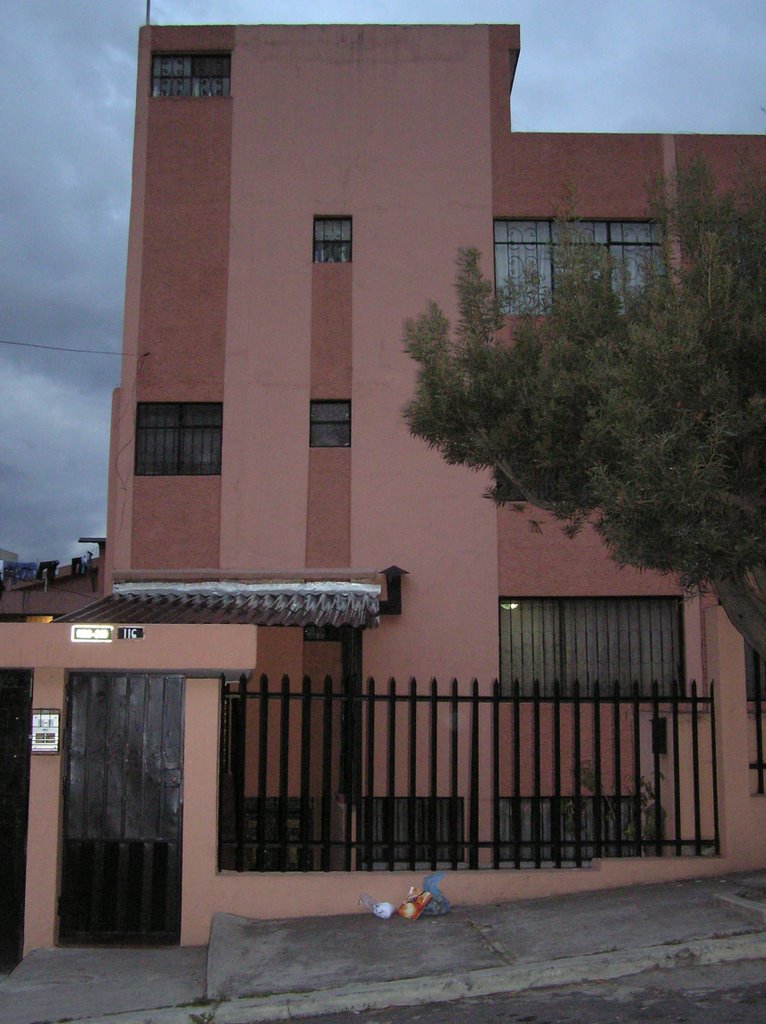
I am sharing an apartment with a 33 year old woman, Francisca, who works at one of the “Fybeca” pharmacies in town. She works a lot and is not at the apartment much. Here’s a pic of the apartment building in which we live, and the view of the city from outside our gate:


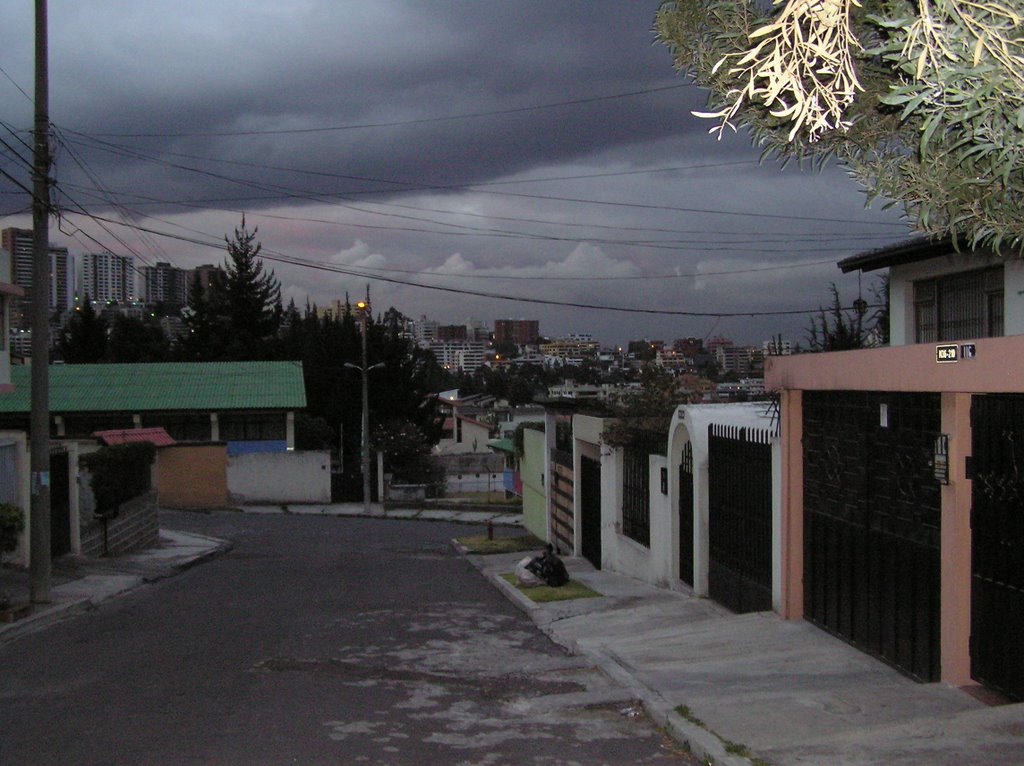
This is neighborhood about a street away from where I live:


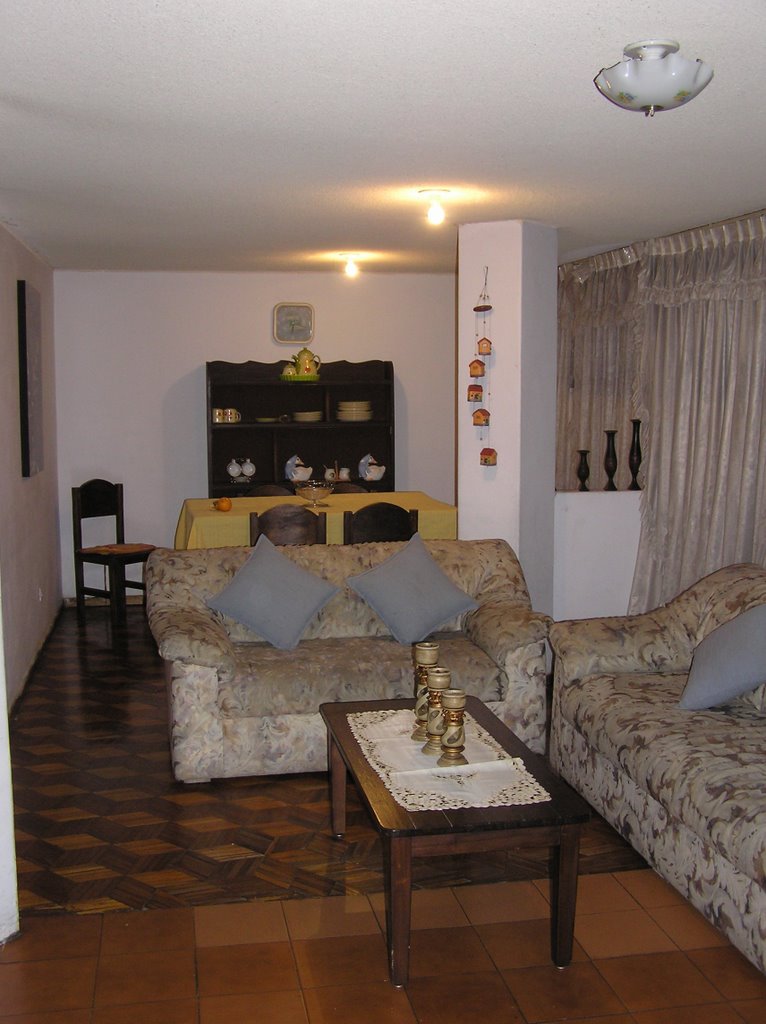
Here is part of the inside of our apartment:


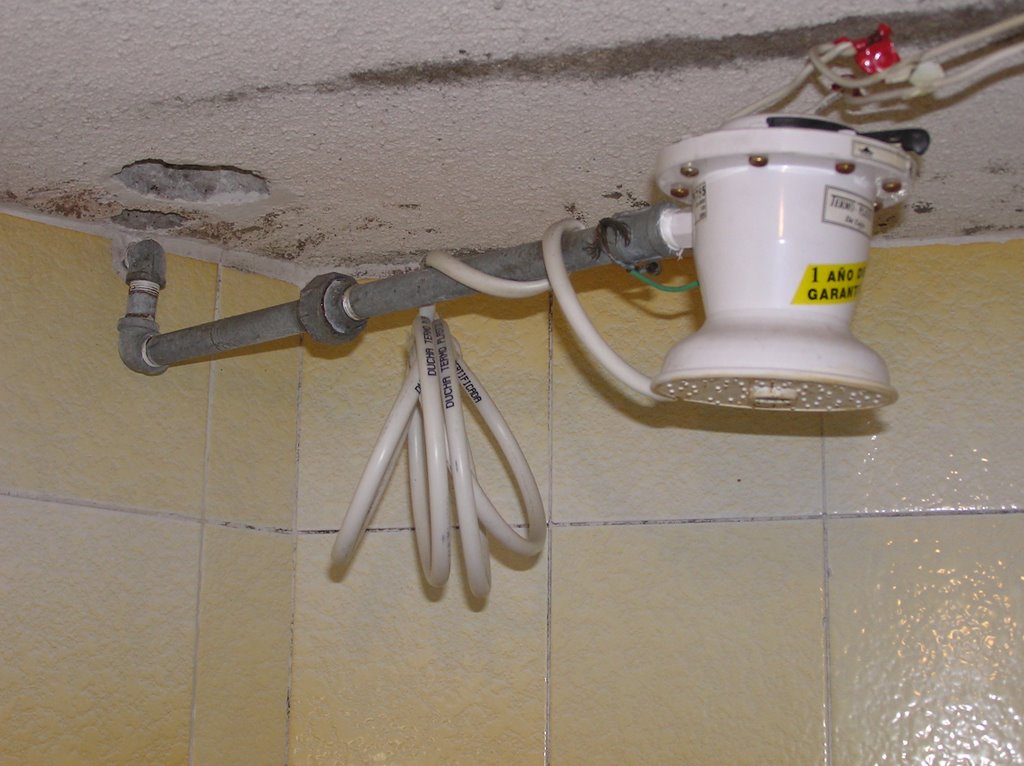
Here is the part of the house that was most confounding to me when I moved in! The shower water is heated at the point of release; there is no hot water tank.


What is the advantage of this system? We don’t ever run out of hot water.

The disadvantage? There is only so much water the shower can heat at any given point, so the water pressure can only be so high if there is to be hot water. Also, this means that the bathroom sink and kitchen also do not have hot water.

Wednesday, September 27, 2006

More Santo Domingo Photos

Ok so here are some more of my favorite pics from our week of building in Santo Domingo. Below, the sign that hanging on the house I helped to build.


To the right is Diego, the youngest of Reymundo´s kids. I think this was his first experience with an ipod:-)!


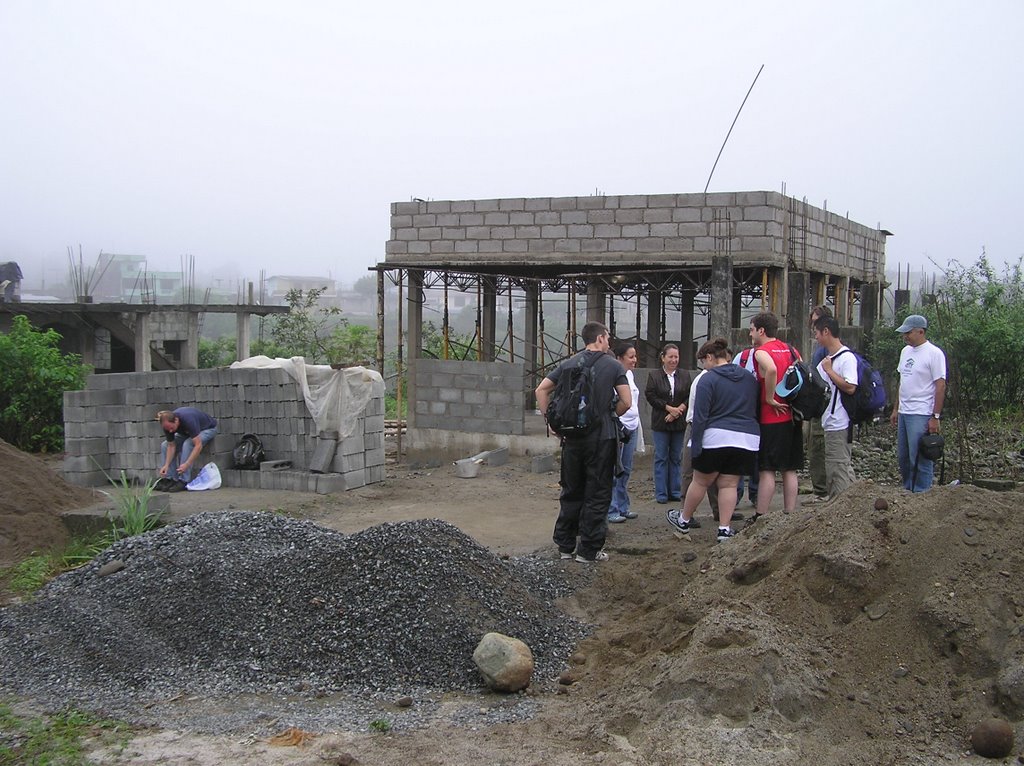
On the left is the house that the other half of the group worked on. The primary difference between the houses was that this one has a cement brick ceiling.


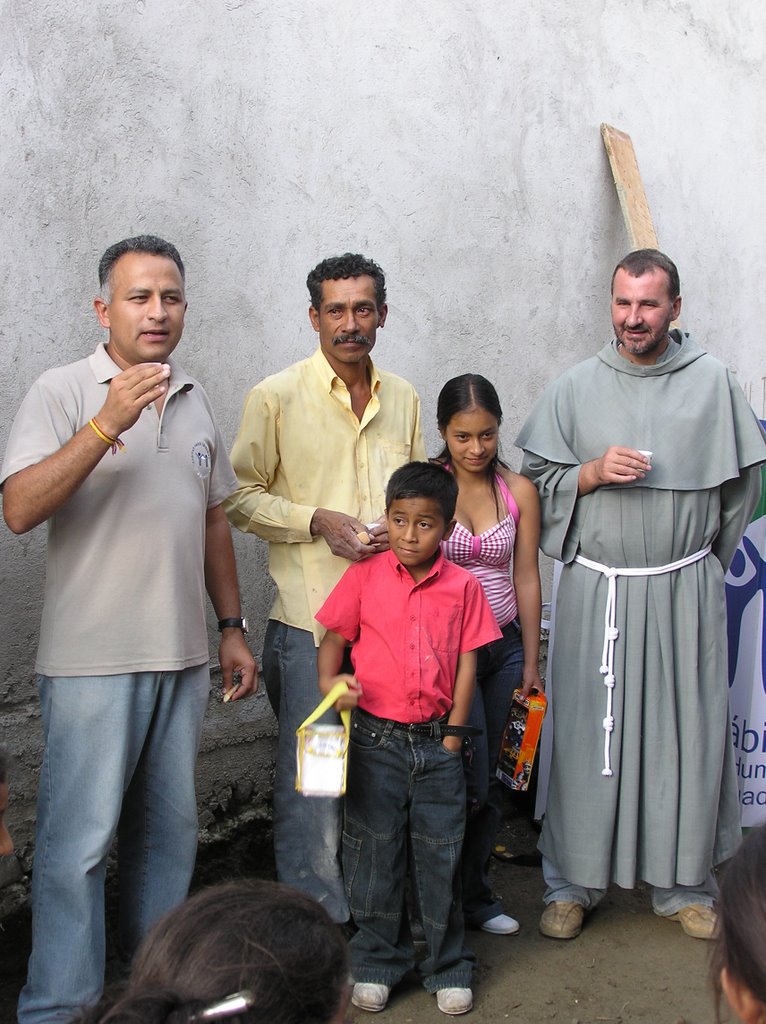
This is Hugo (far left), soon to be the new Habitat for Humanity Ecuador Director, with Reymundo, two of his children, and the "Padre", a polish priest from the local church who blessed the house and the family at the house dedication.


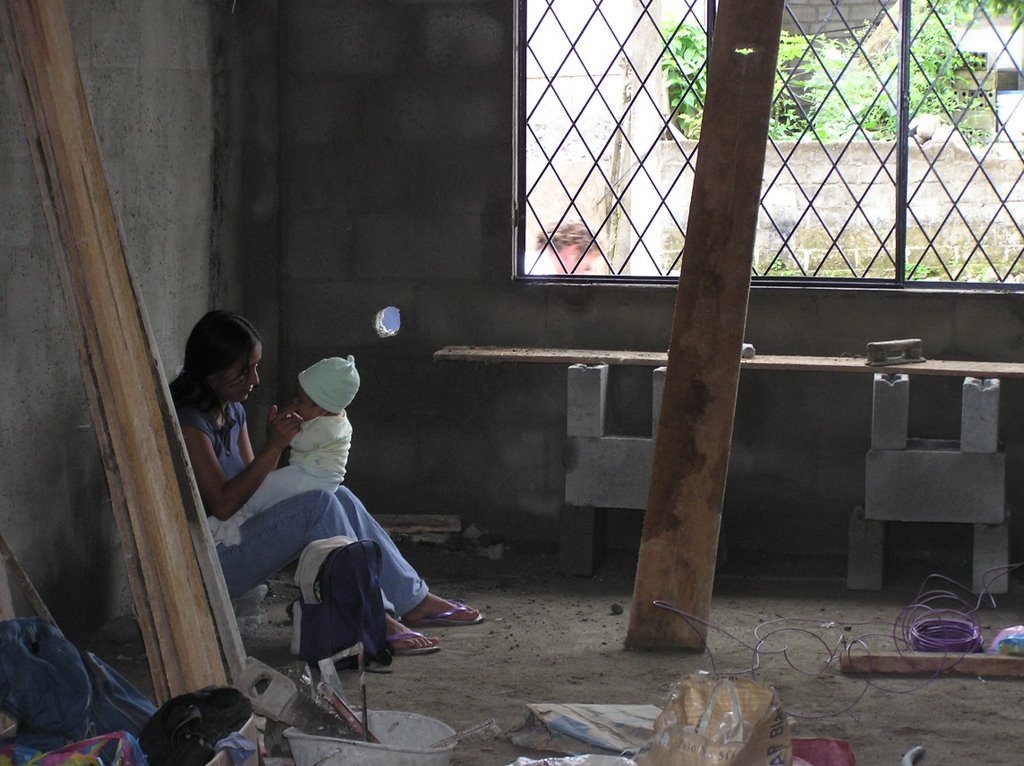
This is Andrea and her baby (Reymundo´s grandchild). I took this picture because it was sooooo different to have young children on the worksite for me, but here it was not weird at all! The kids accompany their father where he builds frequently (as do other children with their fathers).


Thursday, September 21, 2006

Building Houses in Santo Domingo

My first full week here in Ecuador I was able to join an international ¨Brigade¨of volunteers building houses with Habitat for Humanity Ecuador in a town called ¨Santo Domingo de Los Colorados.¨ The town is named after an indigenous group ¨los Colorados¨who where called such by the Spaniards because they color their hair red using a local fruit´s seeds.

Below is a photo of the brigade, one house on which we worked (and almost completed), and the family that is moving in this week! This picture was taken immediately following the completed house's dedication (see the chairs to the left). I am second to last on the far right bottom.


I have lots of photos, and I am working on linking albums to this blog... this is just the beginning!


Santo Domingo is one of seven affilates in Ecuador, and is one of the three most prolific in terms of the number of houses being built. Also interesting, the city of approximately 200 thousand is the fastest growing in all of South America.

14 volunteers arrived last Saturday as a Brigade, a group of volunteers, through a program called ¨Global Village¨which is the manner in which international teams of 4 or more persons are sent all over the world to build at other Habitat for Humanity affiliates (also see my links on the right for more information). Along with a one to two week building experience, the volunteers make a donation to Habitat for Humanity International and the local affiliate and participate in cultural activities. The volunteers also participate in social activities for the Habitat families (those moving into the houses) and the community.


In addition to the global village group (2 Northern Irelanders, 11 United States residents, and 1 Puerto Rican) we were joined by two travelers (1 British and the other from New Zealand) bringing the volunteer group to a total of 16.

Starting my experience here with a week-long build was a great kick-off! We worked on two houses and finished one of them. The families help with the building throughout the entire process- this was a bit different from the US where the families have specific ¨sweat equity¨hours, but they do not necessarily do all their hours on their own house, or for the amount of time a house needs to be built. (to the right is "Reymundo" the owner of the house on which I worked)

I was thrown immediately into the position of a translator because the Brigade only had one Spanish speaker and they put each of us at one of the sites. Usually a Habitat rep, Valeria, leads the Brigades and she speaks both English and Spanish. However, she was in Argentina for a Habitat training. None of the Habitat officials (local, or the national office representative, Hugo) spoke English. So, I have now been a translator on a construction site, and at the doctor´s office (I got pretty sick one day and the next day a volunteer from the other site had a concussion).

Reymundo house was somewhat of a special case as he is employed by Habitat in Santo Domingo as a ¨maestro¨( teacher) for other Habitat builds. That meant that on this build, instead of having a Habitat teacher and the homeowner on site, he was serving as both. Reymundo had been working on his house the year before, and would have been working on it for many months (year+?) to come, had we not been able to pitch in last week. He and four of his children (ages 16, 12ish, 10ish and 8) and one grandchild (age 4 months) are moving into the house this week! They had been living ín a house with a dirt floor and with poor conditions for the children in Reymundo´s parents-in-law´s house. The 16 year old daughter quit school four years ago in order to be the mother figure for the other kids.

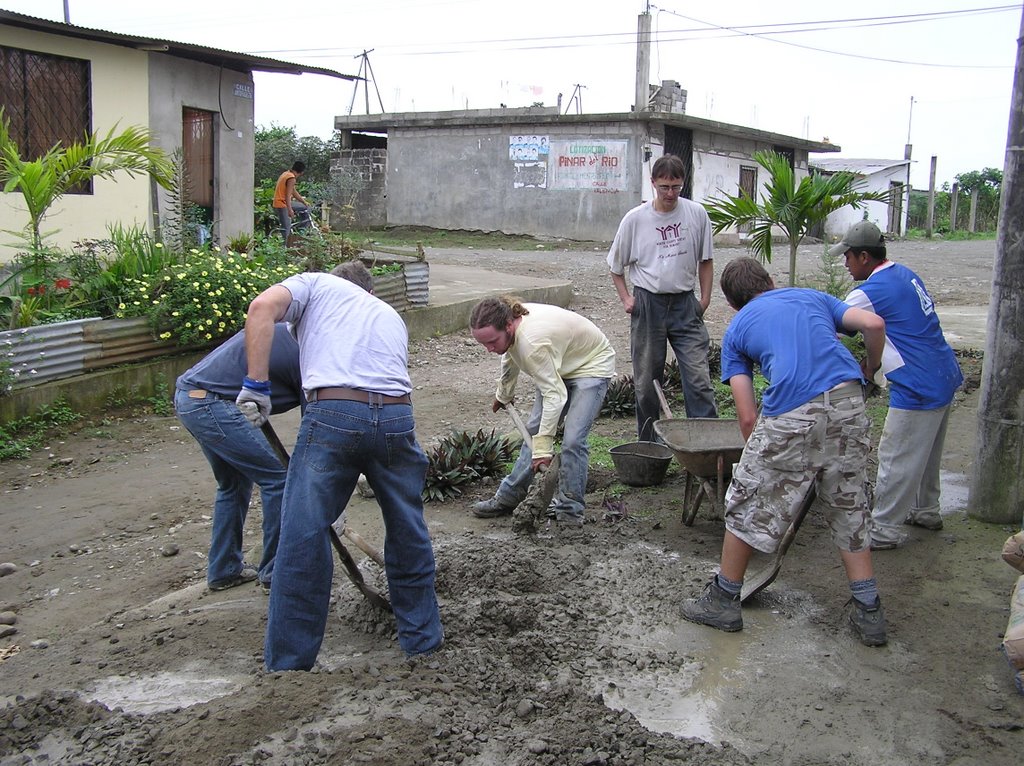
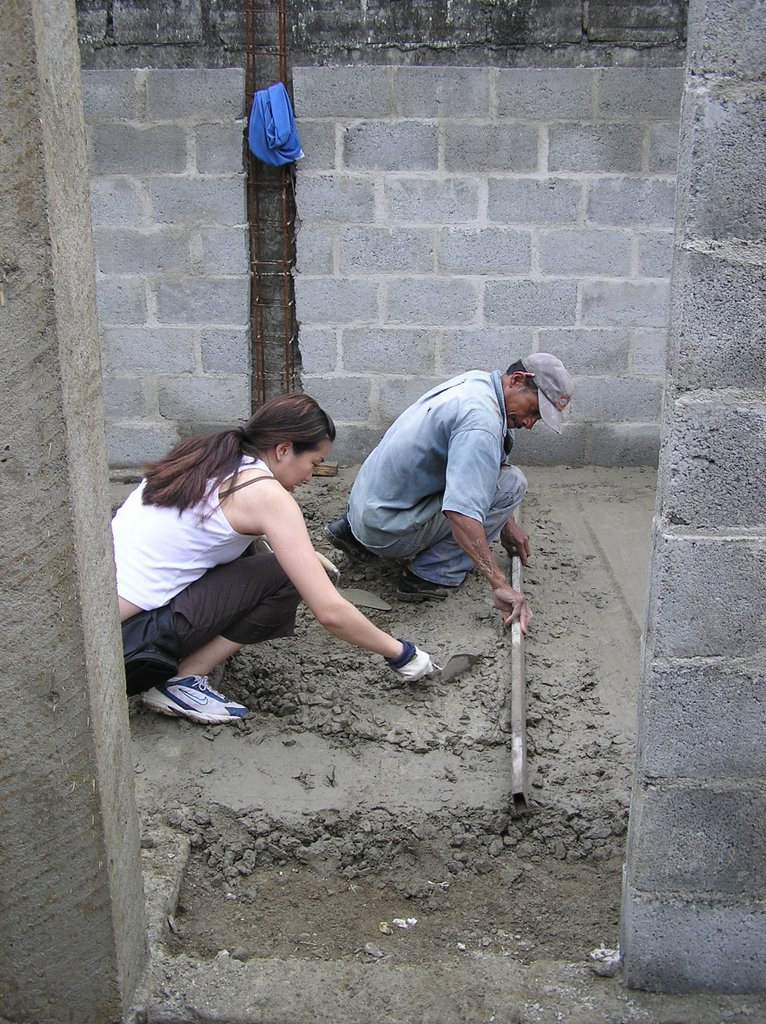
I have participated in many week-long builds in the United States, in particular through the ¨Collegiate Challenge¨Program, so this was somewhat similar to those experiences. However, the houses are quite different in that we learned to make cement by hand, lay a cement floor by hand, lay cement bricks, and spackle a bathroom and kitchen (well, I was actually sick during the brick laying). Not included in a Habitat House here are: paint, glass windows, or appliances. The houses do have running water and some electricity. Other differences are that, usually, in order for Habitat to build here in Ecuador (and other Latin American countries), the family has to already own their land. In the US, usually the land is part of the interest-free loan cost.

Because in Santo Domingo there are A LOT of squaters, approximately 20 thousand (10 percent!, out of 200 thousand total residents), none of these families are eligible at this point for a full Habitat House. HOWEVER, and this was pretty exciting, Habitat has started a micro-loan program so that families can improve their dwellings and begin to build credit so that they will likely have a decent place to live before the 20 years it takes to own your land. Within the first three months of the micro-loan program in Santo Domingo, there are already over 46 participating families. Quito is also starting a micro-loan program.

During the last fiscal year, Habitat Ecuador had 13 international brigades and several domestic brigades (primarily from churches). There is also a large High School volunteer project-- all students must have 120 hours of volunteer service in order to graduate here! (Habitat is only one of MANY organizations with which the high school students work; because they usually are all volunteering during one or two weeks as groups, it is too difficult to have work for all the students at once).

Tuesday, September 19, 2006

Delayed Departure for Quito

Despite plans to leave the US on the 28th of August, I only arrived in Quito on September 7th! I had numerous problems in my quest to obtain a visa... and then at the final hour, I did not receive my passport back from the Ecuadorian Consulate.

According to all Ecuadorian Consulates in the US, visitors planning to be in the country for longer than 6 months (90 days as a tourist, plus one 90 day extension) must get some sort of non-tourist VISA. I tried to comply with this as my original plan was to be here for 10 months...

The Ecuadorian Consulate which services New Mexico residents is in Houston, Texas. I planned a trip to this consulate for about 2.5 weeks before my trip. (The consulate said I HAD TO appear in person, and that they were open every day, 9am-3pm).

Habitat for Humanity in Ecuador sent me a packet of documents after I requested them and I prepared by obtaining my certificate of health, police record (0), financial docs, etc. When I arrived in Houston, problems arose almost immediately. I called the consulate to see if there was a preferable time between 9 and 3 for me to appear. The office, however, was going to close early in celebration of the national day of independence, the next day. I was the last person permitted to enter the office that day and my buffer day, friday, was worthless due to the national holiday. The consulate reception, up until I left the office, was still not informing people that they would be closed the next day ¨we´re open every day, 9-3¨ they said... oh, you want to come tomorrow? we´re closed tomorrow¨

The second problem (after the holiday confusion) was that being the first volunteer to need a VISA with Habitat for Humanity (HFH) Ecuador, the office had never prepared the paperwork before. Signitures that needed to be originals were not, seals that needed to be present were not, letters which were supposed to be on letterhead were not. The consulate did not issue the VISA.

I tried to contact HFH Ecuador, along with the help of the US international office and the Latin American office, on Monday because I was still in Texas and was considering extending my stay if we could somehow produce the correct documents. The Consulate said if they could recieve word from the Ministry of Foreign Affairs in Quito that they had recieved the documents from HFH Ecuador, that they would issue the VISA. We couldn´t get back word from Quito, however, that this would be possible during the week and the international office recommended that I return to NM. I also was able to convince the consulate to let me request the VISA via mail, since they had already seen all of my documents and I had arrived in person. The Habitat office in Quito still only had to bring their documents, with original signatures, to the Ministry of Foriegn Affairs in Quito.

I returned home to Santa Fe and sent all the required documents via express mail (overnight and certified), with a return express mail pre-paid envelope. The Habitat office in Quito assured me and the international office that they would take the documents to the Ministry of Foreign affairs and have them contact the Houston Consulate. Apparently the documents were eventually taken to the Ministry... however, the ministry would not accept them and said they would requrie additional documents which the Habitat Ecuador office said they would not be able to prepare until after the 15th of September.

At this point I had requested that the Houston Consulate send my passport back to me! I wanted to at least make my flight and go for 6 months, or figure out a way to stay once I arrived in Quito. The Houston Consulate told me they were sending the passport on the Tuesday before the Monday I was scheduled to leave. They said they would send it that afternoon (in my pre-paid, express mail envelope). On Friday, I had not received the passport and I called to find out what had happened. They still had not sent it.... but said they would ¨ahorita¨, ¨right now.¨ It was before 3pm and express mail is guaranteed to arrive the next day if it is sent by 3pm (even on a Sunday). I thought it would arrive Saturday... until it did not show up as registered online. On Sunday when I had still not recieved the mail, I had to change my flight. I changed it sufficiently so that if the consulate had still not sent it, that I could ask friends or family in the Houston area to pick it up and send it themselves.

The passport finnally arrived on the Tuesday after my originally planned Monday flight. So... now I am here and ready to share my adventures. I may be in Ecuador for less time than originally planned, due to the lack of VISA... however there will still be plenty to convey.

I now find out that one of the reasons the Ecuador office did not seem to concerned about the possibility of not aquiring the VISA is that Valeria, which whom I will be working most closely, has various friends from other South American Countries, in particular Argentina, who leave and come back to Ecuador every 3 months and that they have now problems. I think this is likely a South American-specific phenomenon for three reasons 1. When I arrived in Quito and told the customs agent that I was going to be in the country for 3 months, she looked at me critically and checked each page of my passport and asked if I had ever been in the country before. I haven´t, so I told her no. After checking each page she stamped my passport. 2. When I visited the consulate in Houston there was a family thre getting the same VISAs which I was trying to obtain. This family told me that they would not be able to return to Ecuador for one year if they did not get their VISAs. 3. The only consistant information which I recieved from any of the consulates was that I COULD NOT obtain a visa while in the country (which remains to be seen, I seem to read information to the contrary in online unofficial sites) and that after 6 months it was required to have a VISA in order to not be given a large fine upon leaving the country.

A few other interesting facts about this adventure--- No one in the Houston Consulate spoke English... it was kindof funny, the first guy looked at my police report and said ¨que es esto¨ (what is this?) even though it is a document that they request and must recieve all sorts of versions every day! (maybe). Also, apparently no one in my volunteer program (which, granted is only about 1.5 years old) has actually obtained a VISA in ANY of the countries where it exists... however obtaining one was listed as one of the required expenses to participate. Everyone else has just been leaving and returning to their countries....